
E. coli Infection
Trusted Results for Urgent E. coli Diagnosis
Escherichia coli (E. coli) are bacteria commonly found in the environment, food, and intestines of people and animals. Some strains, like Shiga toxin-producing E. coli (STEC), cause severe foodborne illness. These strains release Shiga toxins, which can lead to severe complications like hemolytic uremic syndrome (HUS). Early detection and prompt intervention are essential for protecting patients and preventing outbreaks.
E. coli Testing Solutions
Meridian Bioscience offers a suite of E. coli testing solutions designed for rapid and accurate detection of Shiga toxin-producing E. coli (STEC) strains. These solutions are tailored to meet the needs of clinical laboratories and healthcare providers, ensuring timely diagnosis and effective patient management.
Curian® Shiga Toxin

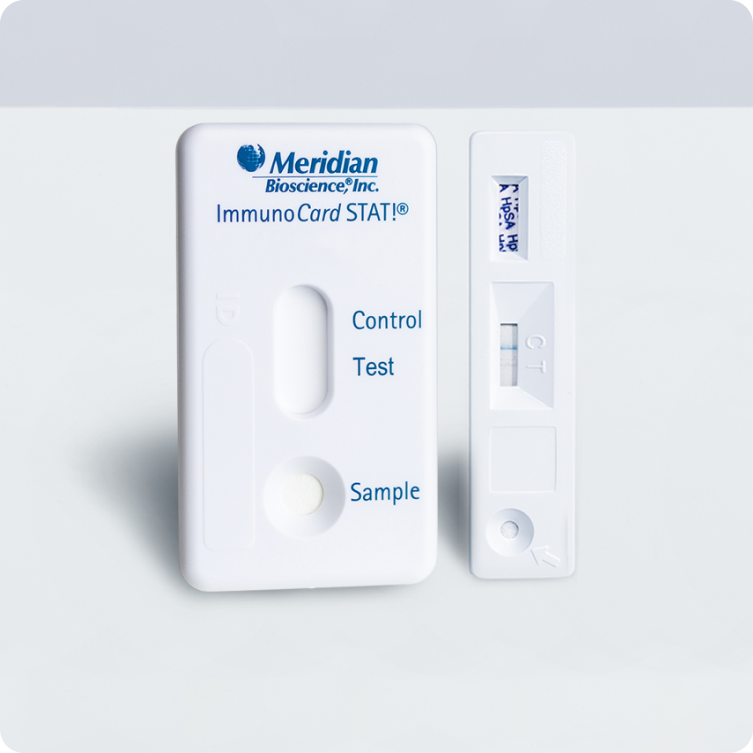
Immunocard STAT!® EHEC
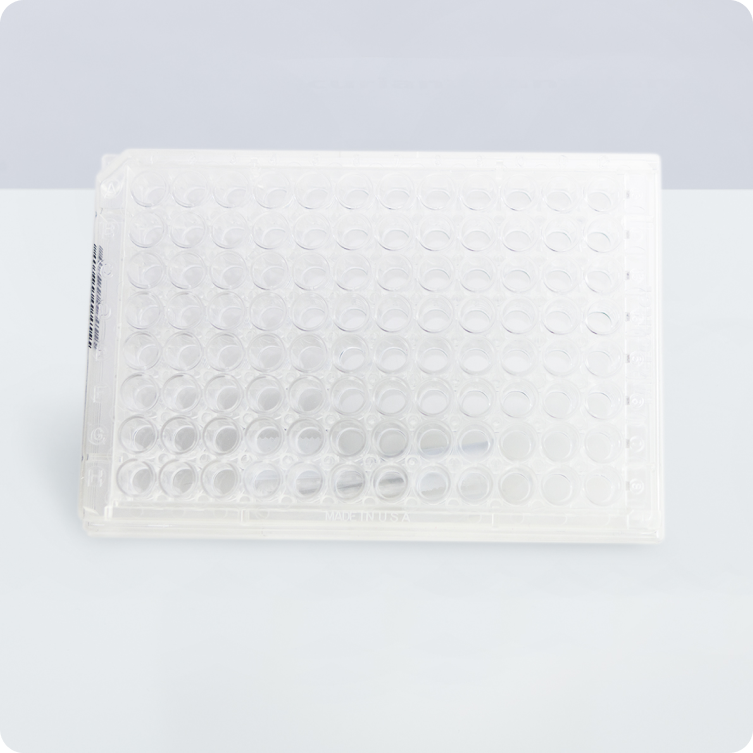
Premier® EHEC
Immunocard STAT!® E. coli O157
Shiga Toxin E. coli Symptoms
Diarrhea
Often watery or bloody, one of the most common early symptoms.
Abdominal Pain
Severe cramping and pain, especially in the lower abdomen.
Fever
Mild to moderate fever may accompany other symptoms.
Nausea & Vomiting
May occur in early stages or alongside other digestive symptoms.
These symptoms typically appear 3 to 4 days after exposure and can last about a week. While many recover without treatment, some infections can lead to severe conditions such as hemolytic uremic syndrome (HUS), a serious complication that can cause kidney failure.
Shiga Toxin E. coli Treatment
Treatment for Shiga toxin-producing E. coli infections primarily involves supportive care, including hydration and rest. Antibiotics are generally not recommended, as they may increase the risk of hemolytic uremic syndrome (HUS), a life threatening complication that can lead to kidney failure and permanent health conditions. Shiga toxin-producing E. coli is the most common cause of HUS.
FAQs
What is Shiga toxin-producing E. coli (STEC)?
STEC stands for Shiga toxin-producing Escherichia coli, a group of bacteria known for producing toxins called Shiga toxins.
How do people get infected with Shiga toxin-producing E. coli ?
Infections typically occur through consumption of contaminated food or water, especially undercooked ground beef, unpasteurized milk or juice, raw fruits and vegetables, and through contact with animals or their environments.
What are the symptoms of a Shiga toxin-producing E. coli infection?
Symptoms can range from mild to severe and may include diarrhea (often bloody), abdominal cramps, nausea, and vomiting. In some cases, especially in children, it can lead to hemolytic uremic syndrome (HUS), a serious condition involving kidney failure
How is Shiga toxin-producing E. coli diagnosed?
Diagnosis is usually confirmed by testing a stool sample for the presence of the bacteria and their toxins. Sometimes, additional confirmatory testing may be conducted to identify specific strains.
How is Shiga toxin-producing E. coli treated?
Treatment is primarily supportive, focusing on maintaining hydration and electrolyte balance. Antibiotics are not recommended for routine treatment because they can increase the risk of developing hemolytic uremic syndrome (HUS).
Are there outbreaks of Shiga toxin E. coli (STEC) infections?
Yes, outbreaks of STEC infection can occur, often linked to contaminated food or water sources. Public health authorities monitor and investigate outbreaks to prevent further spread.